

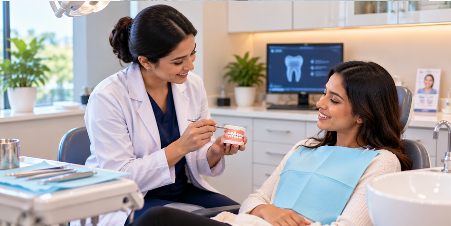
Recovering after dental surgery can feel uncomfortable, especially during the first few days. Whether you have had a tooth extracted, received dental implants, or undergone gum surgery, knowing how to care for your mouth at home can make the recovery process easier. Post-Surgical Dental Care in Gurugram involves following your dentist’s instructions, protecting the treated area, and giving your mouth enough time to heal.
At Best Care Dental Skin & Hair, we encourage patients to take their recovery seriously, even after leaving the dental chair. Simple steps such as eating soft foods, keeping your mouth clean, managing swelling, and taking prescribed medication correctly can help support healing. Here are some essential precautions to follow after dental surgery, along with warning signs to watch for during recovery.
How Proper Dental Aftercare Supports Healing
After a dental procedure, your mouth needs time to heal. The first 24 hours are particularly important following a tooth extraction because a blood clot forms at the extraction site. This clot protects the underlying tissues and supports healing. If it becomes dislodged, you may develop a painful condition called dry socket.
Following your dentist’s aftercare instructions can help you:
- Support healing of the gums and surrounding tissues.
- Manage swelling and discomfort.
- Reduce the risk of infection.
- Protect the treated area from irritation.
- Lower the risk of complications, including dry socket after an extraction.
- Return to your usual activities more comfortably.
6 Practical Ways to Care for Your Mouth After Surgery
-
Keep Bleeding Under Control
A little bleeding or blood-tinged saliva is common during the first few hours after certain dental procedures. Your dentist may give you gauze to place over the surgical site to help control the bleeding.
Keep the gauze in place and bite down with steady pressure for the duration recommended by your dentist, often around 30 minutes. Avoid removing it repeatedly to check the wound, as this can interfere with clot formation.
Heavy or persistent bleeding despite applying steady pressure may indicate a complication.
-
Protect the Blood Clot During the First 24 Hours
After a tooth extraction, the blood clot acts as a natural protective layer over the wound. Disturbing it can delay healing and increase the risk of dry socket.
For the first 24 hours after an extraction:
- Avoid vigorous rinsing and forceful spitting.
- Do not use a straw unless your dentist says it is safe.
- Avoid touching the surgical site with your fingers or tongue.
- Follow your dentist’s instructions about cleaning your mouth.
After the first 24 hours, gentle warm saltwater rinses may be recommended. Move the liquid around your mouth carefully and let it drain out without forceful spitting.
Your aftercare routine may differ depending on the procedure, so always follow your dentist’s advice.
-
Eat Soft Foods While Your Mouth Heals
Eating may feel uncomfortable after dental surgery, but choosing suitable foods can make mealtimes easier. Soft foods require less chewing and are less likely to irritate the treated area.
Some options include:
- Yogurt and soft cheese.
- Mashed potatoes.
- Scrambled eggs.
- Cool or lukewarm soups.
- Oatmeal and soft porridge.
- Soft, well-cooked vegetables.
Avoid hard, crunchy, sticky, or spicy foods if they irritate the surgical site. Very hot foods and drinks should also be avoided while your mouth is numb.
Try to chew away from the treated area and drink enough water to stay hydrated. Avoid smoking and alcohol during recovery, as they can interfere with healing.
-
Manage Swelling and Discomfort Carefully
Some swelling, tenderness, or bruising can occur after oral surgery. Swelling may increase during the initial recovery period before gradually improving, depending on the procedure.
You can make yourself more comfortable by following these precautions:
- Apply a cold pack to the outside of your cheek in short intervals, as advised by your dentist.
- Get enough rest and avoid strenuous exercise during the initial recovery period.
- Keep your head slightly elevated when resting or sleeping.
- Take prescribed pain medication according to your dentist’s instructions.
Do not place ice directly against your skin or take additional medication without checking whether it is suitable for you.
If your pain or swelling becomes significantly worse instead of improving, it may be a sign that your recovery needs further evaluation.
-
Keep Your Mouth Clean Without Disturbing the Wound
Good oral hygiene remains important after dental surgery, but brushing too close to a fresh surgical site may irritate the area.
During recovery:
- Brush your unaffected teeth gently.
- Avoid brushing directly over the surgical wound until your dentist says it is safe.
- Resume gentle cleaning around the treated area as instructed.
- Use any prescribed mouthwash according to your dentist’s directions.
- Start gentle warm saltwater rinses when recommended, usually after the first 24 hours following an extraction.
The aim is to keep your mouth clean while allowing the treated tissues to heal without unnecessary disturbance.
-
Follow Your Dentist’s Medication Instructions
Your dentist may prescribe medication to help manage pain or inflammation, or antibiotics when they are clinically necessary.
Take every medication according to the prescribed dosage and schedule. Do not increase your dose, combine medicines, or change your treatment without checking with your dentist.
Unexpected side effects or uncertainty about your medication should not be ignored during recovery.
Taking medication correctly can help you manage discomfort and follow your recovery plan safely.
Signs You Should Not Ignore During Dental Recovery
Certain symptoms may indicate that your recovery needs attention. Watch for the following warning signs:
- Bleeding that continues despite applying steady pressure as instructed.
- Pain that becomes more severe or does not improve with prescribed medication.
- Fever or chills during recovery.
- Pus or an unusual, persistent discharge from the treated area.
- Numbness that lasts longer than expected after anesthesia.
- Swelling that continues to worsen rather than improve.
If you have difficulty breathing or swallowing, or experience rapidly increasing swelling, seek emergency medical care immediately.
Following your dentist’s advice and addressing concerns early can help you manage your recovery more safely.
Support Your Recovery With the Right Dental Aftercare
Recovering after dental surgery takes time, and a little extra care can make the process more manageable. Protecting the surgical site, choosing soft foods, keeping your mouth clean, resting properly, and following your medication instructions are all important parts of aftercare.
Every procedure is different, so follow the recovery instructions provided by your dentist and attend any recommended follow-up appointments.
At Best Care Dental Skin & Hair, we provide guidance on post-surgical dental care to help patients understand their aftercare needs. If you have recently undergone dental surgery or have concerns about your recovery, contact our clinic for advice and appropriate follow-up support.
FAQs
What is post-surgical dental care?
Post-surgical dental care refers to the steps taken after a dental procedure to support healing, manage discomfort, maintain oral hygiene, and reduce the risk of complications.
Is mild pain normal after dental surgery?
Yes. Mild to moderate discomfort can occur after many dental procedures. It should generally improve over time. Severe, persistent, or worsening pain should be assessed by your dentist.
Can I brush my teeth after oral surgery?
You can generally continue brushing your unaffected teeth carefully. Avoid disturbing the surgical site and follow your dentist’s advice about when and how to clean the affected area.
How long does recovery take after dental surgery?
Recovery time depends on the type of procedure. Simple tooth extractions may take 3–7 days, while more complex procedures like dental implants or wisdom tooth removal may take 1–2 weeks initially and several months fully.
Can I smoke or drink alcohol after dental surgery?
Smoking and drinking should be avoided for 72 hours, or seven days, after surgery. Smoking can dislodge a blood clot, while alcohol can interact with drugs and affect healing.
