

Missing teeth can affect more than just your appearance. They can make chewing uncomfortable, create difficulties while speaking, and affect the alignment of your remaining teeth. Replacing missing teeth is important for maintaining good oral health and enjoying everyday activities with confidence. One effective option is a dental bridge, which helps fill the gap left by missing teeth while restoring the natural appearance and function of your smile.
If you are considering a Dental Bridge in Gurugram, understanding the treatment, its benefits, and the available options can help you make an informed decision.
What Is a Dental Bridge and How Does It Work?
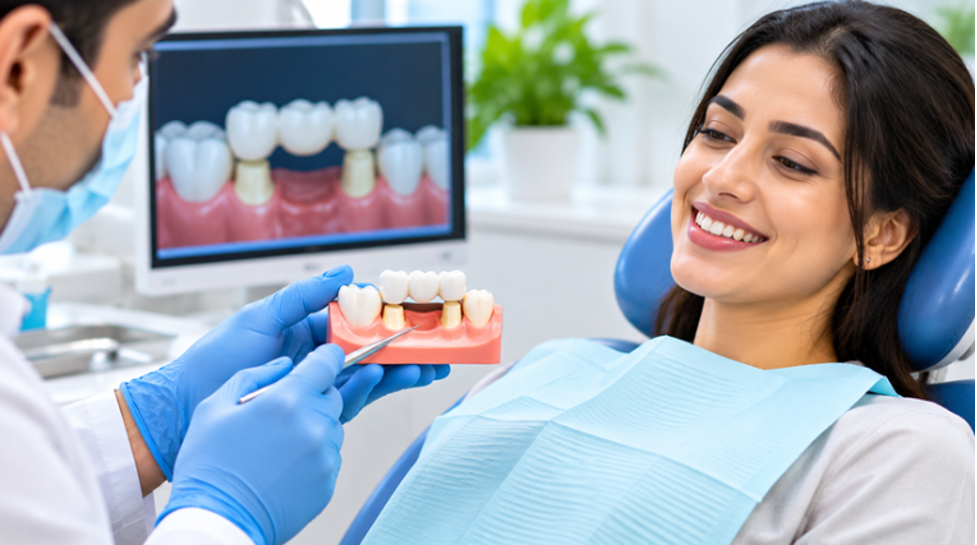
A dental bridge is a fixed dental solution designed to replace one or more missing teeth. It consists of an artificial tooth supported by the natural teeth on either side of the gap. These supporting teeth hold the bridge securely in place, creating a complete and functional smile.
Dental bridges are available in different materials, including porcelain, porcelain fused to metal (PFM), zirconia, and metal alloys. The right material depends on your oral health, appearance preferences, and dental needs.
At Best Care Dental Skin & Hair, we focus on providing the right dental bridge options to help restore missing teeth, improve chewing function, and enhance smile appearance.
Why Is Replacing Missing Teeth Important?
Leaving a missing tooth without treatment can gradually affect your oral health. The neighbouring teeth may begin moving into the empty space, which can change your bite alignment and make chewing more difficult.
Some important reasons to consider replacing missing teeth include:
- Improved Chewing Ability: Replacing missing teeth helps make chewing easier and restore normal function.
- Better Speech Clarity: Missing teeth can affect how certain words sound. A dental bridge helps improve speech and restore normal mouth function.
- Maintaining Tooth Alignment: Filling the gap helps stop neighbouring teeth from moving out of position.
- Improved Smile Appearance: A dental bridge fills visible gaps and helps create a more natural-looking, complete smile.
- Supporting Oral Health: Replacing missing teeth helps keep your bite properly aligned and supports overall oral health.
What Are the Different Types of Dental Bridges?
Depending on your dental condition and treatment requirements, our dental team may recommend one of the following options:
- Traditional Dental Bridge
This type uses supporting crowns placed on the natural teeth on either side of the missing tooth. It is commonly used when the nearby teeth are healthy and strong enough to support the bridge.
- Cantilever Dental Bridge
A cantilever bridge is supported by a natural tooth on only one side of the missing space.
- Maryland Dental Bridge
This bridge uses a supporting framework attached to the back of neighbouring teeth to hold the replacement tooth in position.
- Implant-Supported Dental Bridge
This type uses dental implants for support instead of depending on nearby natural teeth.
The most suitable option depends on your oral health, where the teeth are missing, and your individual treatment needs.
What Is the Procedure for Getting a Dental Bridge?
Getting a dental bridge generally requires two or three dental visits.
During the first appointment, the supporting teeth are carefully prepared, and moulds of your teeth are taken to create a custom-made bridge. A temporary bridge may be placed to keep the prepared teeth safe while the permanent bridge is being made.
Once the permanent bridge is ready, it is fitted and adjusted to make sure it feels comfortable and fits properly. Finally, it is securely bonded in place to restore your smile and make chewing easier.
How Can You Take Care of Your Dental Bridge?
Proper maintenance plays an important role in keeping your dental bridge in good condition. Follow these simple practices:
- Brush your teeth twice daily.
- Floss carefully around the bridge using suitable cleaning tools.
- Avoid very hard or sticky foods that may damage the bridge or make it loose.
- Schedule regular dental check-ups.
- Follow our dental team’s instructions for keeping your teeth and gums clean.
With proper care and regular dental visits, a dental bridge can last for many years.
Restore Your Smile with Best Care Dental Skin & Hair
Missing teeth do not have to affect your confidence or everyday comfort. The right dental treatment can help make chewing easier, improve speech, maintain tooth alignment, and bring back your natural-looking smile.
At Best Care Dental Skin & Hair, we provide dental bridge treatment to help patients replace missing teeth and improve their smiles. Our team helps you understand the available treatment options based on your dental needs.
If you are looking for a Dental Bridge in Gurugram, contact Best Care Dental Skin & Hair to schedule a consultation and find a suitable solution for your missing teeth.
FAQs
What is a dental bridge used for?
A dental bridge replaces one or more missing teeth, fills empty spaces, and helps restore chewing ability and smile appearance.
How long does a dental bridge last?
A dental bridge can last for many years with proper oral hygiene, regular dental check-ups, and good daily care.
Is getting a dental bridge painful?
The procedure is generally comfortable. Your dentist may use local anaesthesia while preparing the supporting teeth for bridge placement.
How many visits are required for dental bridge treatment?
Dental bridge treatment generally requires two or three visits for tooth preparation, bridge fabrication, fitting, and final placement.
What materials are used to make dental bridges?
Dental bridges can be made from porcelain, porcelain fused to metal (PFM), zirconia, and metal alloys, depending on dental needs.
Can a dental bridge replace multiple missing teeth?
Yes, a dental bridge can replace one or more missing teeth, depending on the condition of the supporting teeth.
Can I eat normally after getting a dental bridge?
Yes, a properly fitted dental bridge helps restore chewing function. However, avoid very hard or sticky foods to prevent damage.
How should I clean my dental bridge?
Brush twice daily, floss carefully around the bridge, use suitable cleaning tools, and visit your dentist for regular check-ups.
What is the difference between a traditional and implant-supported dental bridge?
A traditional bridge uses natural teeth for support, while an implant-supported bridge relies on dental implants for stability.
How do I know if I need a dental bridge?
If you have one or more missing teeth, consult a dentist to check your oral health and discuss suitable replacement options.